Read The Pilgrim's Regress: An Allegorical Apology for Christianity Reason and Romanticism - C.S. Lewis | ePub
Related searches:
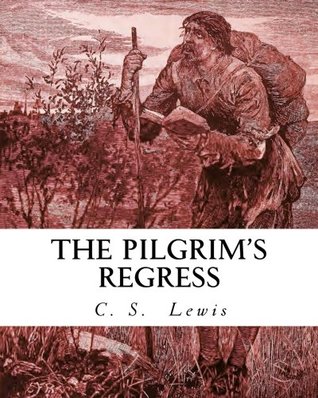
The Pilgrim's Regress: An Allegorical Apology for Christianity
The Pilgrim's Regress: An Allegorical Apology for Christianity Reason and Romanticism
Map of The Pilgrim's Regress, An Allegorical Apology for Christianity
Study Materials for The Pilgrim's Regress
The Pilgrim's Regress and the Reader's Progress A Pilgrim in Narnia
Definitions and Other Elusive Things: The Pilgrim's Regress
LEWISIANA: Quotations and Allusions in The Pilgrim's Regress
Allegory and Obstacles in the Pilgrim’s Progress: [Essay
Lewis and Women: Portrayals in The Pilgrim's Regress
The Pilgrim's Regress: An Allegorical Apology for - Amazon
pilgrims-regress-cs-lewis : C. S. Lewis : Free Download, Borrow, and
The Pilgrim's Regress: An Allegorical Apology for - Google Books
THE PROBLEM OF FAITH AND THE SELF: - Enlighten: Theses
The Pilgrim’s Regress: An Allegorical Apology for
The Pilgrim's Regress - an allegorical apology for
The Pilgrim's Regress : An Allegorical Apology for
The pilgrim's regress: an allegorical apology for
C S Lewis / PILGRIM'S REGRESS AN ALLEGORICAL APOLOGY FOR
The Pilgrim's Regress; An Allegorical Apology for Christiam
Lewis and Women: Portrayals in The Pilgrim’s Regress
2484 4460 3772 1176 3070 1459 4639 32 267 4364 4283 3707 2069 4101 2607
Lewis after his conversion, the pilgrim's regress is� in a sense, a record of lewis' own search for meaning and spiritual.
Though the dragons and giants here are different from those in bunyan's pilgrim's progress, lewis's allegory performs the same function of enabling the author.
Lewis after his conversion to christianity, the pilgrim's regress is, in a sense, a record of lewis's own search for meaning and spiritual satisfaction, a search that eventually led him to christianity.
It’s original title was: the pilgrim’s regress, or pseudo-bunyan’s periplus: an allegorical apology for christianity, reason, and romanticism. [2] though drastically uneven in its ability to convey lewis’s successes (and failures), the pilgrim’s regress possesses not a dull moment, though, in parts, it is viciously scathing toward.
In it, he follows john bunyans allegorical style to show his own conversion experience. He is represented by the man john who wanders around the world in the book searching for his deepest longing.
This 1933 novel was lewis's first published work of prose fiction, and his third piece of work to be published. [1] it charts the progress of a fictional character named john through a philosophical landscape in search of the island of his desire.
Along the way he meets people who are allegorical personifications of ideas and schools of thought lewis himself had encountered over the years. They include such characters and experiences as mr enlightenment (nineteenth-century rationalism), the 'modern' literary movement, and freudianism.
Lewis’s the pilgrim’s regress (1933) “there are many ways back to the truth, and no way, faithfully followed, can lead anywhere, at last, except to the centre. ”—early prose joy, 1930 “there could be no question of going back to primitive, untheologized and unmoralized, paganism.
The pilgrim's regress: an allegorical apology for christianity, reason, and an allegory requires its own followers (for there is a definite cult) or a raison d'etre.
Lewis will appreciate fully understanding the first of his fictional allegories and its relation to his later works.
The first book of the three is the pilgrim's regress, a play on words of the pilgrim's progress by john bunyan. Like the pilgrim's progress, it is an allegory that endeavors to present a defense for christianity, reason, and romanticism.
The pilgrim's regress: an allegorical apology for christianity, reason, and by clive staples lewis.
In it, he follows john bunyans allegorical style to show his own conversion.
The story thus far has been a very interestingly good read and loaded with allegory. It also has been enjoyable to hear lewis's perspectives so near his conversion.
Lewis' works of fiction, or more specifically allegory, this book is clearly modelled upon bunyan's pilgrim's progress, as lewis.
Not long ago i read “the celestial railroad” by nathaniel hawthorne, an allegorical sequel to the already-allegorical the pilgrim’s progress. In this short story, hawthorne tells of improvements that have been made to the symbolic country since the time of john bunyan’s account, most especially a railroad connecting the city of destruction to the celestial city with great ease.
The pilgrim’s progress, religious allegory in two parts (1678 and 1684) by the english writer john bunyan. A symbolic vision of the good man’s pilgrimage through life, it was at one time second only to the bible in popularity and is the most famous christian allegory still in print.
Mar 14, 2016 in short, the pilgrim's progress is a christian allegory about the journey of a man named christian and his journey to the “celestial city.
The pilgrim's regress is one of those books that are both puzzling and gratifying at the same time. The book is partly autobiographical, in that cs lewis used imagery and allegory to depict his own journey of faith. This obviously seems to be influenced by john bunyan's religious and political tract, the pilgrim's progress.
The pilgrim's regress quotes showing 1-11 of 11 “you all know, said the guide, that security is mortals' greatest enemy.
The pilgrim's regress; an allegorical apology for christiam reason and romanticism. [11] 12-255 [256]� top edge dyed red� map endpapers� olive green cloth covered boards lettered in red on the spine� illustrated dust wrapper.
Dec 26, 2017 obviously the title is call back to pilgrim's progress. Surprised by joy which relates the same story (his conversion) in a non-allegorical mode.
Lewis after his conversion, the pilgrim's regress is, in a sense, the record of lewis s own search for meaning and spiritual satisfaction—a search that eventually led him to christianity.
Lewis after his conversion, the pilgrim’s regress is, in a sense, the record of lewis’s own search for meaning and spiritual satisfaction—a search that eventually led him to christianity.
This 1933 novel was lewis's first published work of prose fiction, and his third piece of work to be published. It charts the progress of a fictional character named john through a philosophical landscape in search of the island of his desire.
Lewis after his conversion, the pilgrim's regress is, in a sense, a record of lewis' own search for meaning and spiritual satisfaction that eventually led him to christianity. It is the story of john and his odyssey to an enchanting island that has created in him an intense longing, a mysterious, sweet desire.
This allegorical travelogue charts lewis' journey from nominal church.
Jan 1, 2008 not long after he became a christian, lewis wrote about his conversion in an odd book entitled pilgrim's regress.
Reading length provides a calculation for the word count of this book, find out how long it will take you to read!.
Lewis, dramatizing the process of his conversion from atheism to christianity and defending his love.
An allegorical apology for christianity, reason and romanticism.
Dec 29, 2014 his original title, rejected by his publisher, was the pilgrim's regress, or pseudo- bunyan's periplus: an allegorical apology for christianity,.
Its original title was the pilgrim’s regress, or pseudo-bunyan’s periplus: an allegorical apology for christianity, reason, and romanticism.
Every character in the pilgrim’s progress allegorically stands in for obstacles or blessings that occur in a christian’s walk with christ.
: the main title is of course a play on the title of john bunyan’s famous allegory, the pilgrim’s progress (1678–1684). Lewis’s idea to write his own story as an allegory was, however, certainly more than simply an idea to take his cue from bunyan.
Jul 12, 2012 “the pilgrim's regress” is essentially the story of lewis' conversion to christianity allegory-style.
Pilgrim's progress is an allegory by john bunyan that was first published in 1678. Read a plot overview of the entire book or a chapter by chapter.
This 1933 novel was lewis's first published work of prose fiction, and his third piece of work to be published and first after he converted to christianity.
Lewis after his conversion, the pilgrim's regress is, in a sense, the record of lewis's own search for meaning and spiritual satisfaction—a search that eventually led him to christianity.
The pilgrim's regress: an allegorical apology for christianity reason and romanticism user review - kirkus an allegory requires its own followers (for there is a definite cult) or a raison d'etre.
Lewis after his conversion, the pilgrim’s regress is, in a sense, the record of lewis’ own search for meaning and spiritual satisfaction—a search that eventually led him to christianity. Here is the story of the pilgrim john and his odyssey to an enchanting island which has created in him an intense longing; a mysterious, sweet desire.
Com: the pilgrim's regress - an allegorical apology for christianity, reason and romanticism: hardback, small 8vo, green cloth lettered gilt to spine, faint foxing to an age-toned top edge, endpapers part age-toned but o/w a very good tightly bound copy in a price-clipped, chipped and lightly discoloured dust jacket, brief gift inscription to a previous owner, maps to endpapers, 199pp.
Lewis after his conversion, the pilgrim's regressis, in a sense, the record of lewis's own search for meaning and spiritual satisfaction -- a search that eventually led him to christianity.
Discussion of five texts of lewis, including: the pilgrim's regress (an allegorical account of a modern man's conversion), the screwtape letters and the great.
Apr 25, 2017 while imprisoned as a nonconformist baptist in 1675, john bunyan “fell suddenly into allegory” as he wrote the pilgrim's progress.
Lewis after his conversion, the pilgrim's regress is, in a sense, the record of lewis's own search for meaning and spiritual satisfaction -- a search that eventually led him to christianity. Here is the story of the pilgrim john and his odyssey to an enchanting island which has created in him an intense longing 7mdash; a mysterious, sweet desire.
Lewis's allegory enhanced with a wealth of annotations, including notes by lewis himself.
Post Your Comments: