Read Colour Design: Theories and Applications (The Textile Institute Book Series) - Janet Best | ePub
Related searches:
Colour design : theories and applications - GBV
Colour Design: Theories and Applications (The Textile Institute Book Series)
Colour design theories and applications
Colour design: Theories and applications by Janet Best - Goodreads
Colour Design Theories And Applications Woodhead Publishing
Color theory in design: meaning and understanding of color
Guide to Color in Design: Color Meaning, Color Theory, and More
Colour Design - Theories and Applications (2nd Edition) - Knovel
Free, Online Colour Theory for Artists and Designers Course - Alison
Color Theory in Art and Design - Artyfactory
COLOUR DESIGN: Theories and Applications (2nd edition
Color wheel - color theory and calculator Canva Colors
Color and Color Theory - Design Media Arts - Research Guides at
Color Theory and Application UCLA Continuing Education Online
Color theory and its application in art and design / George A
The Designer's Guide to Color Theory, Color Wheels, and Color
Best Books on Color Theory for Artists and Designers in 2021
Color Theory Basics: The Color Wheel and Finding
Color Theory: Marketing, Branding, and the Psychology of Color
Graphic Design Theory: 50 Resources and Articles - noupe
Colour design: Theories and applications - The Textile Institute
How to Design With Brown: Color Theory, Symbolism, and On
22 Books on Color and Design Designers & Books
Color Theory: Introduction to Color Theory and the Color
Color Theory Tutorial, Concepts, Essays and Color Basics
Chapter 7 Color and Graphics - Kent
Color Theory And Color Palettes — A Complete Guide [2021]
310 1671 640 1319 1416 2027 1601 714 4253 3383 1546
This is the go-to guide for designers as it outlines and details the essential color design skills needed to create successful, meaningful, and aesthetically compelling designs.
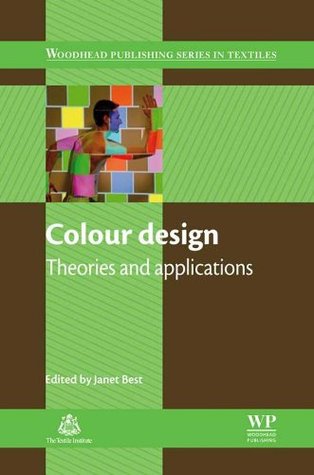
Colour design: theories and applications provides a comprehensive review of the issues surrounding the use of colour in textiles – discusses the application of colour across a vast range of industries – chapters cover the theories, measurement and description of colour, forecasting colour trends and methods for design enhancement – considers the history of textiles of colour.
Like design principles such as the rule of thirds and repetition, color theory is an integral but often forgotten aspect of graphic design. The principles of color theory can help designers choose effective, evocative color schemes for their projects, and can make the difference between obscuring or successfully communicating your message.
We strongly recommend following the color design adopted in your genre to meet the expectations of your target audience. Pro-tip: when choosing a color palette to design your book cover, do proper research. Concentrate on colors that create the emotional response you are looking for in your audience.
Color theory design co is a top portland florist that has been featured in m portland’s contemporary and sustainable flower shop. A floral design studio that specializes in bridal bouquet design, floral installations, wedding flowers, and flower arrangements for delivery throughout portland, oregon.
Welcome to the second part of our graphic design theory video about color theory. We will cover color harmonies, the 60-30-10 rule, the importance of understanding differences in perception of color, and how you can ensure your designs work for people with color blindness.
Take alison's free online art course to learn color theory, specifically color theory for designers and artists.
Learn about the color wheel and the applications of color theories to interior design; gain an understanding of munsell and albers theories, perception,.
Color theory encompasses a multitude of definitions, concepts and design applications - enough to fill several encyclopedias.
Sign up to learn colour theory and design online with our video craft workshops. Try our free colour play workshop to make colour choices for knitting.
May 9, 2016 color theory is the practice of combining and mixing colors in art, aestetics, and design. It is considered that one of the forerunners of this theory.
Color theory is a body of principles which provide guidance on the relationship between colors and the physiological impacts of certain color combinations. Color theory is one of the most fundamental areas of painting.
In the illustration above, red yellow and green create a harmonious design, regardless of whether this combination fits into a technical formula for color harmony.
Color theory has real practical value for designers, explains playing with color author richard mehl. The principles of traditional color theory are just like the other design principles we use every day—they are creative tools that can be used to solve visual problems.
Color theory in art can be summed up under three headings: color as light, color as symbol and color as emotion. A knowledge of color terms helps us to express how this visual element it is used in art and design. It gives us the vocabulary to clearly state our feelings about an artwork or design.
Colour design - theories and applications (2nd edition) this book provides information on a broad spectrum of colour subjects written by seasoned industry professionals and academics. It is a multidisciplinary book that addresses the use of colour across a range of industries, with a particular focus on textile colouration.
Aug 26, 2020 color theory is a vast field that involves more than just rules and guidelines about color combinations — human perception, cultural.
Jan 3, 2021 these lessons on color theory help you to understand the possibilities of color in art and design and appreciate the different ways that artists.
Color theory is a set of principles used to create harmonious color combinations pleasing to the eye and senses. It provides us with a common ground for understanding how colors can be used,.
To the right, you will find a basic illustration of the munsell color system, which is a diagrammatic color space that specifies colors based on three mainfactors:.
Color theory and the concept of complementary colors is a major driver in many areas of life today, including fashion and style, interior design, even psychology and sociology.
Color theory actually covers a number of things, but at the most basic level it is the interaction of colors in a design through complementation, contrast, and vibrancy. The interaction of colors in a design through complementation, contrast, and vibrancy.
The color of earth, wood, and stone, brown is a stabilizing and warm color with the ability to bring a grounded naturalism to designs. Pick up pro tips on how to design and decorate using the color brown in this complete guide.
To raise blood pressure, a strong red color has been shown, while a blue color has a calming effect.
Jun 13, 2019 essential books on color theory for ux designers to help them understand color theory and how to use them in their ui and ux design projects.
That’s why students at art schools, colleges and universities study the science of color theory devoted to colors’ nature. Today, we offer you to remember (or maybe even learn) the basics of color theory about the color combination which can be effectively applied in your design creating process.
Learn about design fundamentals: color theory from the graphic design essentials for marketers module, of our short course digital marketing course.
Advanced color theory color an element of art which has three properties. 2) intensity, which refers to the brightness and purity of a color. 3) value, which refers to the lightness or darkness of a color.
Color theory also involves the messages colors communicate; and the methods used to replicate color. In color theory, colors are organized on a color wheel and grouped into 3 categories: primary colors, secondary colors and tertiary colors.
Designers,ontheotherhand,havetodojustthatarticulateanddefendtheircolorchoicesanditsmerits.
Color theory is the collection of rules and guidelines which designers use to communicate with users through appealing color schemes in visual interfaces. To pick the best colors every time, designers use a color wheel and refer to extensive collected knowledge about human optical ability, psychology, culture and more.
Designers dedicate their entire careers to this field of design and there a lot of unexplored areas within this field. We hope that this article helps you understand the basics of color theory and inform your future design choices.
By utilizing room color psychology, you can create a place of tranquility or stimulation.
Find out more about color theory and psychology in book cover design, and how to use them to promote your book effectively.
As a visual representation of colors based on their chromatic relationships, the wheel is traditionally based on red, yellow, and blue primary colors. Primary, secondary, and tertiary colors the color wheel breaks colors down into three main categories:.
His book, the art of color, is still the clearest and most logical guide to color theory.
Color application with respect to the arts, color was part of the realistic, visual representation of form, but one group of painters abandoned the traditional practices regarding color in painting. This group of artists were influenced by cezanne, van gogh, and gauguin. Led by henri matisse, they were known as the fauves, or the wild beasts.
Color theory encompasses a multitude of definitions, concepts and design applications - enough to fill several encyclopedias. However, there are three basic categories of color theory that are logical and useful� the color wheel, color harmony, and the context of how colors are used.
The resources below discuss color theory as it relates to graphic design, and specifically to web design. Learning to use color on your web site this post gives a brief introduction to color theory, with specific information for color theory online. It’s a good starting point for anyone completely new to color theory.
Jun 23, 2017 it is called the color wheel which helps to understand how different colors relate to each other and how they can be combined.
The standard color theory answer is that he chose a color design for the painting based on color harmony and contrast, used this design to guide the choice of paints, and then applied these paints in ways that preserved the intended harmony and contrast while matching his intended visual design and the appearance of the still life he was painting.
It can therefore be a daunting task to learn about color composition in a way that is true to both art history and scientific truth, and i have seen many designers.
Jun 20, 2017 there is an explosion in colour research globally at the highest academic institutions and big business as we seek to gain further understanding.
Colors that contain physical pigment, such as in the case of paint, are called subtractive color. This is because pigmented objects absorb light or subtract color wavelength from the visible light spectrum.
What the human eye can see is only a small part of a wavelength of the total electromagnetic radiation, which includes many types of waves, such as x-rays, radio waves or microwaves.
1k followers, 1535 following, 946 posts - see instagram photos and videos from color theory design co (@colortheorydesignco).
Color theory describes how different colors relate to each other, and how they look when they are combined into many colored schemes. An offshoot of color theory is color psychology, which explores colors and emotions.
As a designer or illustrator, it's useful to have a good understanding of the color wheel which shows the primary colors,.
Colour design provides a comprehensive review of the issues surrounding the use of colour, from the fundamental principles of what colour is to its important applications across a vast range of industries. Part one covers the main principles and theories of colour, focusing on the human visual system and the psychology of colour perception.
Jun 27, 2014 the importance of color design stems from the significance of color to the human mind.
The color theory describes the use of color in graphic design. However, it’s not only for artists as people use color theory in their everyday life as well!.
Yellow-orange, red-orange) result from mixing equal amounts of the base hues (yellow and orange, or red and orange). Everything else is a tertiary color, a mix of primary and secondary colors.
Color theory is a set of basic rules and definitions that help us understand how colors behave and interact. The starting point of color theory are the three primary hues – yellow, red, and blue, which mix to create secondary and tertiary hues.
Color theory is a practical combination of art and science that’s used to determine what colors look good together. The color wheel was invented in 1666 by isaac newton, who mapped the color spectrum onto a circle. The color wheel is the basis of color theory, because it shows the relationship between colors.
Color scheme is a term that designers use to describe color combinations that they use in gui design. Since there are infinite color combinations out there, it can be hard to decide what color scheme will work the best for your product. Fortunately, we have color theory, a discipline that helps us select balanced and effective color combinations.
It uses classical color theory with ancient artistic ryb color wheel to design color palettes of one to four hues, each of five different shades. Various preview style can be chosen to test and view the colors in combinations, many examples are available to see the palette used in web site design, ui design or in a randomly drawn picture.
This color theory tutorial provides a number of essays covering the various aspects of color study. The site is applicable to graphic design, interior design, architecture, communication.
As a designer or illustrator, it’s useful to have a good understanding of the color wheel which shows the primary colors, secondary colors (a mix of the two neighbouring primary colors), and tertiary colors (when you mix a secondary color with a primary color). The color wheel can also help you to find color harmonies and complimentary colors.
The first thing that comes to mind when we talk about colors is color wheel.
Color theory involves the study of hues and how to use them in harmony. It's helpful in design because it informs a palette that work well together.
Spatial theory and color theory are introduced in a hands-on environment allowing students to discover their own design process while finding new relationships in the physical. This course will touch on topics from other multidimensional disciplines such as architecture, exhibition design, industrial design and interior design.
To create good design and employ colors more effectively, you need to understand how colors are formed and how they relate to each other. That’s why students at art schools, colleges and universities study the science of color theory devoted to colors’ nature.
Colour design: theories and applications, second edition, provides information on a broad spectrum of colour subjects written by seasoned industry professionals and academics. It is a multidisciplinary book that addresses the use of colour across a range of industries, with a particular focus on textile colouration.
Mar 8, 2010 color theory is the practice of using the meaning behind colors to bring about a sensory experience.
In an appropriately titled study called impact of color in marketing, researchers found that up to 90% of snap judgments made about products can be based on color alone (depending on the product).
Check out this post on color theory, and how you can use it to choose the perfect colors every time. Picking a color palette for a design is often thought of as a gut feeling thing; something you either have the eye for, or you don’t. While some people may be more naturally gifted at selecting colors that work, it’s something you can learn!.
Within the ontology of color, there are various competing types of theories. One way of posing their relationship is in terms of whether they posit colors as sui generis properties (properties of a special kind that can't be reduced to more basic properties or constellations of such).
An accurate understanding of colour theory is essential for graphic designers, artists, photographers, and anyone involved in the visual arts. The course will first introduce you to several important aspects of colour and light perception such as hue, lightness and chroma.
It includes a page titled selections from the arts library cage that lists items showcased during design media arts new student orientations! color and color.
Design 101: color theory design 101 is a series that breaks down fundamental design concepts for everyone to understand. Even if you aren’t a professional designer, you should still have a chance to access good and affordable design!.
Aug 14, 2017 the colour wheel tinted love: a foray into colour design theory neon. We are all, hopefully, familiar with the primary colours of red, blue.
Color theory is a framework that informs the use of color in art and design, guides the curation of color palettes, and facilitates the effective communication of a design message on both an aesthetic and a psychological level.
Colour remains an essential component of fashion, and that colour development is one of the first chains in seasonal design development, commencing with the yarn and fabric manufacturers (jackson, 2007), as fabric makes up 60% of the cost of a garment (scully and johnston cobb, 2012).
Post Your Comments: